


He Wasn’t in a Classroom—He Was the Case

Homeschooling in Maine, youth entrepreneurship, and real-world learning
Homeschooling has been getting a lot of attention lately. A recent report shows that 1 in 10 students in Maine is now homeschooled, a dramatic increase since COVID-19 reshaped how families think about education.
I’m one of those parents who found homeschooling during the pandemic—and stayed.
How We Found Homeschooling During COVID
When schools shut down, my son Dorian was in second grade. He had an incredible teacher—deeply rooted in social-emotional learning and genuine care for her students. We had a strong relationship, and when learning moved home, I went all in.
What surprised me most wasn’t how hard it was—but how possible it felt.
The resources available to students were incredible. With a background in Child Development, stepping into homeschooling felt like returning to familiar ground. But more than anything, we discovered that education worked best when we treated it as a partnership.
Learning by Following the Child
Dorian requires a lot of movement—four to six hours a day, easily. He’s energetic, curious, and constantly generating ideas. Homeschooling allowed me to follow his lead: listening, validating, thinking things through together, and helping him decide which ideas to pursue now—and which to save for later.
That kind of space is rare. And powerful.
Experiential Learning in Action
While Dorian was still attending public school, we saw food insecurity firsthand—quietly present in classrooms across Maine. He noticed too, and he wanted to help.
That’s how “D-Max Power Juice” was born.

Through a collaboration with Sara Luciano of Witchy Decor, Dorian created a custom candle, raised $500, and used every dollar to buy snacks for kids. He handled the cash. He went to the store.
We did the math together.
We talked about what snacks kids would actually want.
I wasn’t running the project—I was mentoring him.
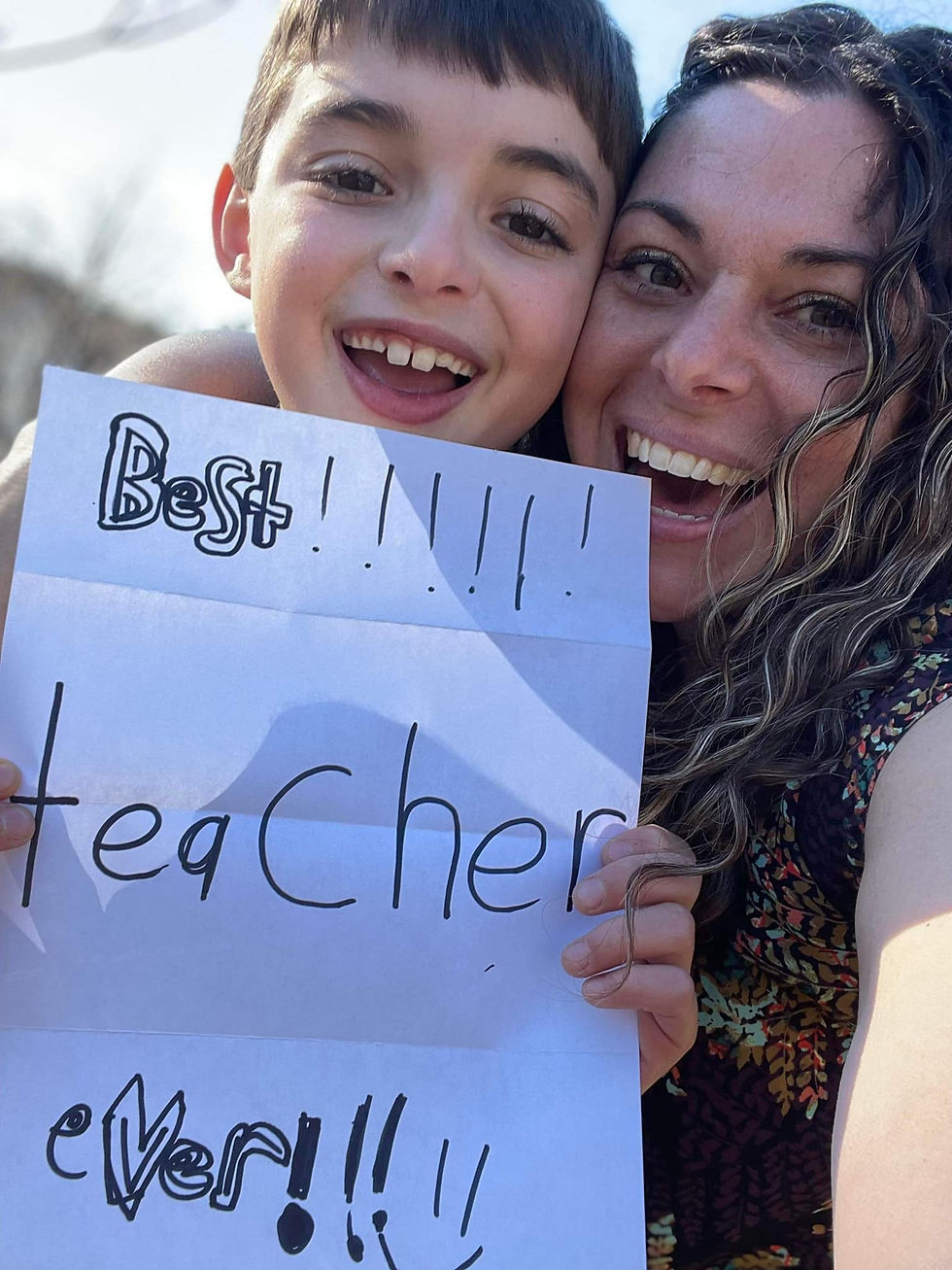
He wasn’t studying a case study.
He was the case study.
This is experiential learning at its core: confidence, problem-solving, communication, and leadership built through real life.
Still Part of Our Community School
One misconception about homeschooling is isolation. That hasn’t been our experience.
Dorian is at the school most days! He plays basketball and baseball. He rides the bus with his teammates. He shows up for practices and games. He’s a friend, an athlete, and part of a community we deeply love.
We support our local school. We raise money for the snack program. We show up.
We just approach education differently—and that’s okay.
This Isn’t a Call to Homeschool
This is important to say clearly: this isn’t a call for everyone to homeschool—it’s simply a glimpse into what emerged for our family during the COVID shift, at a time when many Maine families were forced to rethink how learning could look.
Homeschooling comes with tradeoffs. My work schedule is seven days a week, often at odd hours. There are days I question my sanity—and days that remind me exactly why we chose this path.

Every homeschool journey is unique. That’s the quiet joy of it.
For me, the greatest gift has been truly getting to know my son—his strengths, his energy, his heart—and giving him the tools, introductions, and confidence to grow.
The sky is the limit.
And for us, this path makes room to reach it.
Interested in this story as a keynote or workshop? I speak to educators, parents, entrepreneurs, and community leaders about alternative education paths, experiential learning, youth leadership, and building confidence through real-world problem solving.
Reach out to explore a speaking engagement.



Comments